Wood Fence Stain Costs Explained

Larger fences require more stain and labor, increasing overall costs.

Premium stains with longer-lasting formulas tend to be more expensive.
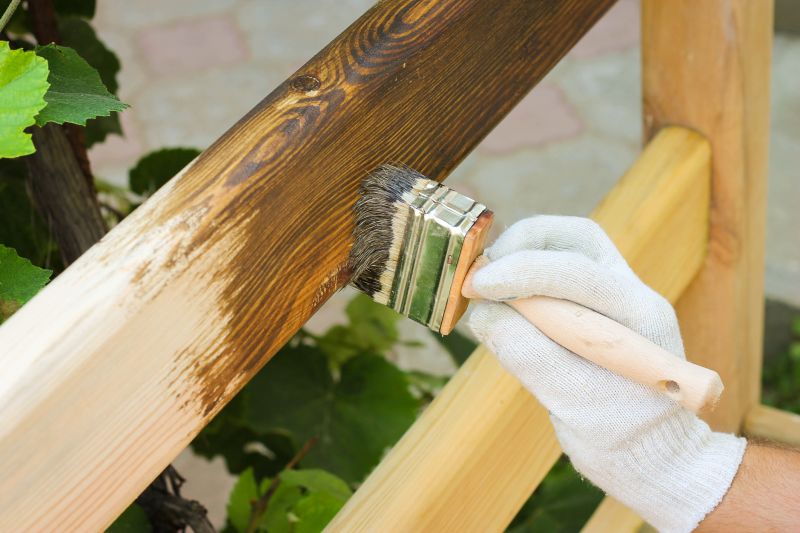
Proper cleaning and sanding can add to costs but ensure better results.
| Factor | Impact on Cost |
|---|---|
| Fence Size | Larger areas increase material and labor costs |
| Type of Stain | Higher quality stains cost more but last longer |
| Surface Condition | Dirty or damaged fences require prep work |
| Number of Coats | Multiple coats add to material and labor expenses |
| Accessibility | Hard-to-reach fences may require special equipment |
| Location | Regional labor and material costs vary |
| Fence Material | Wood type can influence stain absorption and cost |
Professional staining services typically include surface cleaning, sanding, and multiple coats, which contribute to the total cost. Homeowners should consider these elements when budgeting for fence maintenance to ensure a durable and visually appealing result. The choice of stain type and the condition of the existing wood are significant factors in determining the final expense.
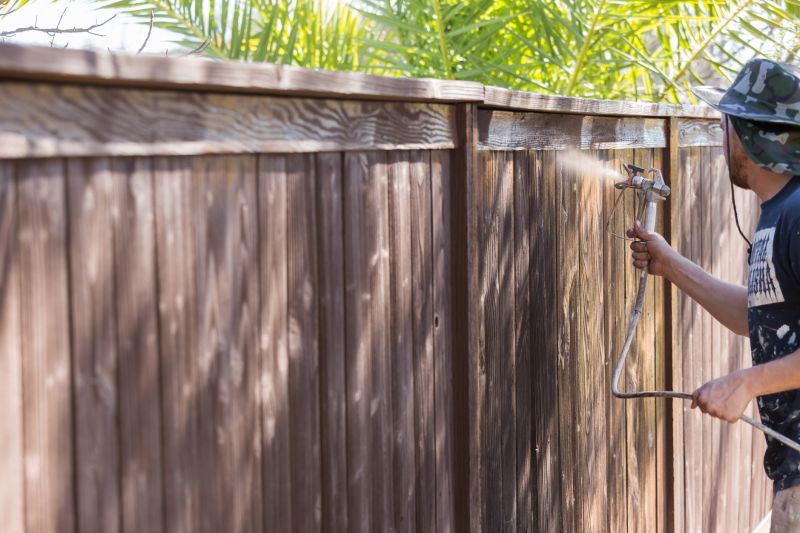
Oil-based stains generally cost more but offer longer-lasting protection.

Interior stains may have different formulations and associated costs.

Transparent or semi-transparent stains can vary significantly in price.
| Service | Average Price Range |
|---|---|
| Basic Fence Staining | $500 - $1,200 |
| Premium Fence Staining | $1,200 - $2,500 |
| Surface Preparation | $200 - $500 |
| Fence Sanding | $300 - $800 |
| Multiple Coat Application | $400 - $1,000 |
| Fence Repair Before Staining | $150 - $600 |
| Color Change Staining | $600 - $1,800 |
| Interior Wood Staining | $400 - $1,000 |
| Fence Sealing After Staining | $200 - $600 |
| Custom Stain Application | $1,000 - $3,000 |