
Leading Wood Fence Stain Solutions For Every Budget
Compare top stain products that balance quality and affordability to keep your wood fence protected and attractive.
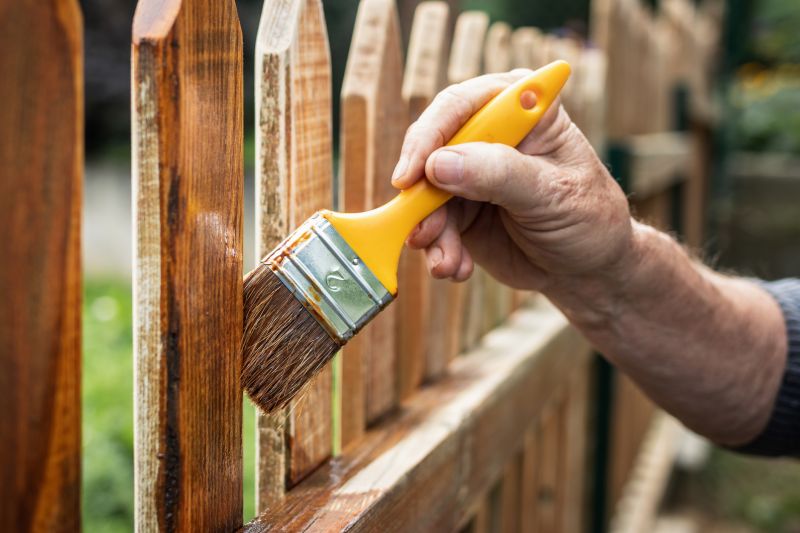 Choosing the right product for staining a wood fence involves understanding various options available in the market. Wood fence stains come in different formulations, including oil-based, water-based, semi-transparent, solid, and tinted stains. Each type offers distinct benefits and considerations, depending on the desired aesthetic, durability, and ease of application. For instance, oil-based stains tend to penetrate deeply into the wood, providing a rich finish and potentially longer-lasting protection, while water-based stains often dry faster and are easier to clean up. Semi-transparent stains are popular for highlighting the natural grain of the wood, whereas solid stains offer more coverage, hiding imperfections and providing a uniform appearance.
Top Overall Option
Multi-Use Wood Fence Stain
A versatile, user-friendly stain designed for various wood fence types, offering a balanced combination of ease of application, color retention, and weather resistance. It provides a semi-transparent finish that highlights the wood grain while delivering durable protection. Suitable for both DIY enthusiasts and professionals, this stain is known for its smooth application and consistent coverage, making it a reliable choice for maintaining the appearance of outdoor wood fences.
Types of Products For Wood Fence Stains
Oil-Based Stains
Penetrate deeply into the wood to provide rich color and potential longevity, ideal for enhancing natural grain.
Water-Based Stains
Dry quickly and are easy to clean up, offering a range of colors and finishes suitable for various wood types.
Semi-Transparent Stains
Allow the wood grain to show through while adding a subtle color tint for a natural look.
Solid Color Stains
Provide opaque coverage, ideal for hiding imperfections and creating a uniform appearance.
Tinted Stains
Offer customized color options to match specific aesthetic preferences.
Gel Stains
Thick formulations that adhere well to vertical surfaces, reducing drips and runs.
Penetrating Sealers
Deeply absorb into the wood to provide protection without altering the natural look excessively.
Clear Sealants
Enhance protection while maintaining the natural appearance of the wood without added color.
UV-Resistant Stains
Specifically formulated to resist sun damage and fading over time.
High-Gloss Stains
Create a shiny, reflective surface that enhances color vibrancy and aesthetic appeal.
Matte Stains
Offer a non-reflective finish for a subdued, natural look.
Low-VOC Stains
Contain fewer volatile organic compounds, often favored for ease of application and cleanup.
Eco-Friendly Stains
Formulated to minimize environmental impact while providing suitable protection.
High-Performance Stains
Designed for extreme weather conditions, offering enhanced durability and longevity.
Quick-Dry Stains
Allow faster application processes with reduced waiting times.
Textured Stains
Add a tactile finish, enhancing the visual depth and character of the fence.
Popular Choices
Widely used for their deep penetration and rich color options, suitable for various wood types.
Favored for quick drying and easy cleanup, with a broad spectrum of colors available.
Popular for showcasing the wood grain while adding subtle color.
Chosen for uniform coverage and hiding imperfections in the wood surface.
Preferred for vertical surfaces due to their thick consistency and reduced drips.
Commonly selected for outdoor fences exposed to sun, helping to prevent fading.
Used in areas with harsh weather, offering enhanced durability.
Popular among those seeking easier application and cleanup without compromising quality.
Chosen for a natural, understated finish that minimizes glare.
Selected for customizing the look with specific color preferences.
Ideal for projects requiring faster turnaround times.
Popular for adding visual and tactile interest to fence surfaces.
Chosen for their ability to protect while maintaining a natural appearance.
Used to enhance protection without altering the wood’s natural look.
Increasingly popular for their lower environmental impact.
When selecting a product, factors such as ease of application, drying time, resistance to weather elements, color options, and maintenance requirements should be considered. Proper surface preparation, including cleaning and sanding, can significantly influence the stain’s performance and appearance. Additionally, understanding the longevity of the stain and how frequently it might need reapplication can help in making an informed decision.
Applying the right stain can enhance the visual appeal of a wood fence while offering protection against elements like sun, rain, and temperature fluctuations. It is advisable to choose a product compatible with the type of wood used in the fence and to follow manufacturer instructions carefully for optimal results. Regular inspections and touch-ups can help maintain the fence’s appearance over time, ensuring it remains attractive and protected.
Overall, selecting a suitable wood fence stain involves balancing aesthetic preferences, durability expectations, and application considerations. With a variety of options available, homeowners and contractors can find products tailored to different needs and styles, ensuring their fences look great and stand up to the elements for years to come.
Key Buying Considerations
- Type of stain (oil-based, water-based, semi-transparent, solid, etc.) and its suitability for your wood type.
- Desired aesthetic finish—transparent, semi-transparent, or opaque.
- Weather resistance properties, including UV protection and water repellency.
- Drying and curing times to fit your project schedule.
- Ease of application, including brush, roller, or sprayer compatibility.
- Maintenance and reapplication frequency based on product durability.
- Compatibility with existing finishes or treatments on the fence.
- Color options available to match your aesthetic preferences.
- Environmental and safety considerations, such as VOC content.
- Budget constraints and cost-effectiveness over time.
- Surface preparation requirements to ensure proper adhesion.
- Resistance to peeling, cracking, and fading over time.
- Protection against mold, mildew, and other outdoor elements.
- Availability of touch-up or repair products for maintenance.
- Manufacturer recommendations and product reviews for reliability.